One big alpine mountain, Mont Vireaux, to ride however you like on a snowboard or skis. Drop in from nine start points, or click anywhere on the map, then carve powder and crust, hit kickers and throw spins, flips and grabs, and get scored on every run. Eight events (trick jams, gate races and judged freeride lines) carry bronze, silver and gold targets. The repository credits Claude Opus 5.5 with building it alone in Claude Code, and publishes the prompt it was given. Its brief asked for a recreation of the gameplay of a well-known freeride game, under a new name and with none of its assets.
Fall Line is a freeride game: one large mountain, two ways to ride it, and no track you have to stay on. You pick a spot, drop in, and go down however you like on a snowboard or a pair of skis, throwing spins, flips and grabs off anything that sends you into the air. The mountain is called Mont Vireaux, about 2,800 metres at its summit, and it is built around you when the page opens: peaks, trees, powder fields, a piste, a terrain park and a superpipe, with a chairlift line and a village at the bottom.
The page opens on a demo rider going down Sunbowl while the game title sits over the snow. Press any key and you take over. There are nine drop zones, from the summit to a groomed piste to the superpipe, and a mountain map (M) where you can also click anywhere at all to drop in there. Eight events sit on the same map: three trick sessions, two gate races and three judged freeride lines, each with bronze, silver and gold targets. Nothing needs an account, and nothing is fetched from the network once the page has loaded.
It is here because of who is credited with making it. It comes from a public GitHub repository, opus-5-5-overnight-builds, by the user Nipale-ai, holding four browser builds. The repository's README says each one was given a single detailed brief and a time budget, and that "Claude Opus 5.5 then worked alone in Claude Code", with nobody answering questions or touching the code. The repository's only commit is dated 23 September 2026. That is the author's statement, on the author's own repository. We cannot see how the game was really made, and this page does not say it was made any other way. More on that below.
How to play Fall Line — Freeride Mountain
- Open it and wait for the loading screen to finish. The demo rider starts by itself. Press any key, or click, to take over. If you leave it alone for about 30 seconds the demo rider takes the game back, according to the author's README.
- Ride with A and D to steer and lean onto an edge, W to tuck and go faster, S to brake and lean back. Hold Space to charge a jump and let go to pop off the ground. The controls for the situation you are in are listed at the bottom left of the screen and change as you go from the ground to the air to a rail.
- In the air, A and D spin, W and S flip, and the arrow keys grab the board (eight directions, with Shift for the other grabs). Land cleanly to bank the score; land badly and the screen says you crashed and the combo is lost, as we saw more than once in our own test riding.
- Press M for the mountain map: choose a drop zone or an event with the arrow keys and Enter, or click a point on the map. T switches between snowboard and skis (the map has the same switch), and G swaps regular and goofy stance. On the map's event list, choosing one starts it; Freeride events show a score with bronze at 3,000 in the one we started. E starts an event when you stand at its beacon on the hill.
- Extras: N toggles snowfall, H changes the time of day, O changes the rider's outfit, C cycles the camera between follow, helmet and cinematic, V replays your last air in slow motion, and R puts you back on the mountain. Esc or P pauses.
Controls: A / D steer and set the edge (and spin in the air); W tucks for speed; S brakes and leans back; hold Space to charge a jump and release to pop. In the air, W / S flip, and the arrow keys grab (Shift plus an arrow gives other grabs). C changes camera, M opens the mountain map, E starts an event at a beacon, R respawns, T switches between snowboard and skis, G swaps regular and goofy, N toggles snowfall, H changes the time of day, O changes the outfit, V replays your last air, Esc or P pauses. A list of the current keys is always on screen. Any key takes over from the demo rider.
Click Fullscreen above the game for the largest play area. If the game does not load, use Open in new tab to play it directly from our copy.
Why it's worth your time
What is credited to Claude Opus 5.5, and where. The credit is in the README of the repository the game comes from: "Claude Opus 5.5 then worked alone in Claude Code", with the run conditions given as Claude Opus 5.5, effort xhigh, Claude Code headless, no MCP servers, a fresh session per build. The README also says the repository holds the full prompt each run received, word for word, and the model's own README about its build. We read both files. The Fall Line prompt is a long brief; it gives a six-hour budget, asks for a game "as faithfully and as ultra-accurately as you can" recreating the gameplay of a well-known Ubisoft freeride game, and says to invent a new title and use none of that game's name, art, audio or text. The README says the run stopped by itself after 339 minutes with 111 commits. The repository we saw holds a single commit, so we could not check the commit count or the time. Everything about how the game was made rests on the author's word; we have nothing else to check it against.
How our copy relates to the original. The playable page is one file, 1.1 MB, with the code, styles and everything else inside it. We compared our copy against the file on the author's GitHub Pages site and against the file in the repository: apart from the small script every copy on this site carries to keep its links inside the copy, they are identical. The page makes no requests to other sites and has no analytics that we found. It uses the browser's local storage, according to its README, to keep personal bests for events; we did not see it write anything during our rides, which never finished an event.
A game, not a screensaver. In Chromium on a Mac with a real graphics chip, riding with the keyboard, we reached about 97 km/h in powder and wind crust, threw spins, flips and grabs (the game named tricks such as Backside 720 Nose Grab, Frontside 540 and Nose Butter 180 as we went), saw the combo and multiplier climb into the thousands, crashed, respawned, changed to skis, opened the map, and started the Sunbowl Freeride event. The on-screen display shows the run score, banked points, altitude and speed as you go. A crash costs the current combo. What we did not do is finish an event, reach a gold medal or see the game's end of run results screen.
It is heavy, and the numbers we have are rough. The world is built when the page opens; on our Mac, while it was busy with other jobs, the wait on the loading screen ran from a few seconds to over twenty. While riding, the game's own counter and our own frame count read between 45 and 60 frames a second at 1280 by 720, and around 20 to 35 for stretches when the machine was under heavier load. We did not get a clean quiet-machine measurement, and a computer with no dedicated graphics chip may struggle. It needs WebGL2; we did not test a browser without it.
Controllers: the README lists a full gamepad mapping. We tried only a scripted fake controller, whose stick took the game over from the demo and set the rider going. We did not try a real controller or check the individual button mapping.
On a phone or tablet you can watch, not play. In an emulated iPhone 13, upright and sideways, it loaded with no sideways scrolling, and a tap took over from the demo rider. But the page registers no touch controls: the on-screen key list still shows keyboard keys and there is nothing to touch to steer, jump or grab. So we list it as desktop only. A real phone was not tried.
What it is a recreation of. The brief tells the model to recreate the gameplay of Ubisoft's Steep, and the repository README says the same in general terms ("a well known freeride game"). The game we tested has its own name, its own mountain and its own look, and we did not compare it with the original game or look for shared assets. We have not tagged it as a fan remake, since the game itself makes no such claim. If you are a rights holder and want this copy removed, the contact in the footer gets it done.
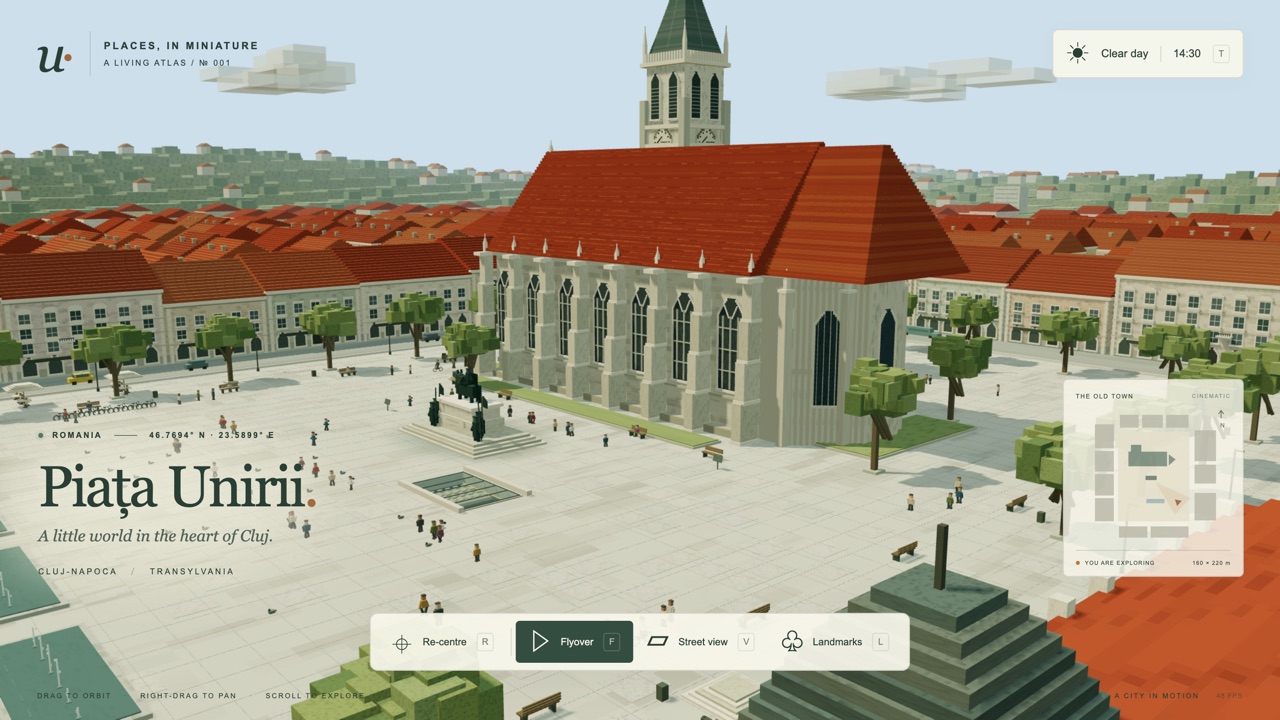
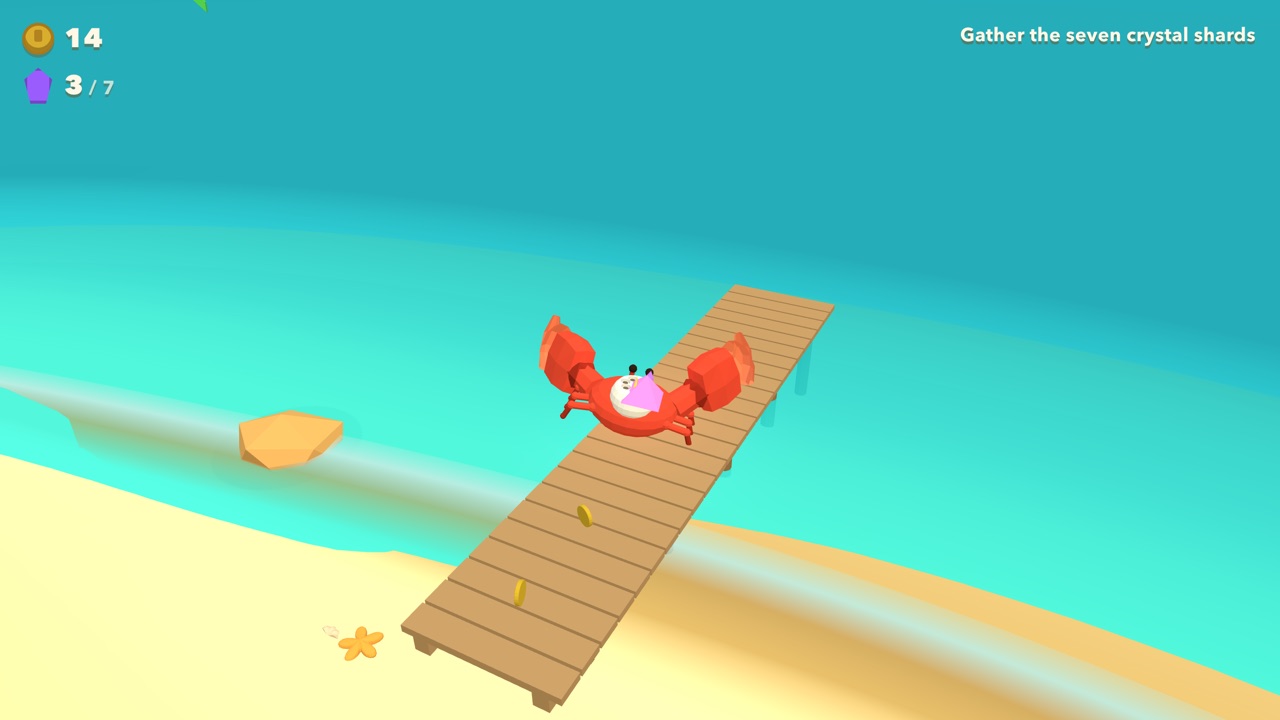
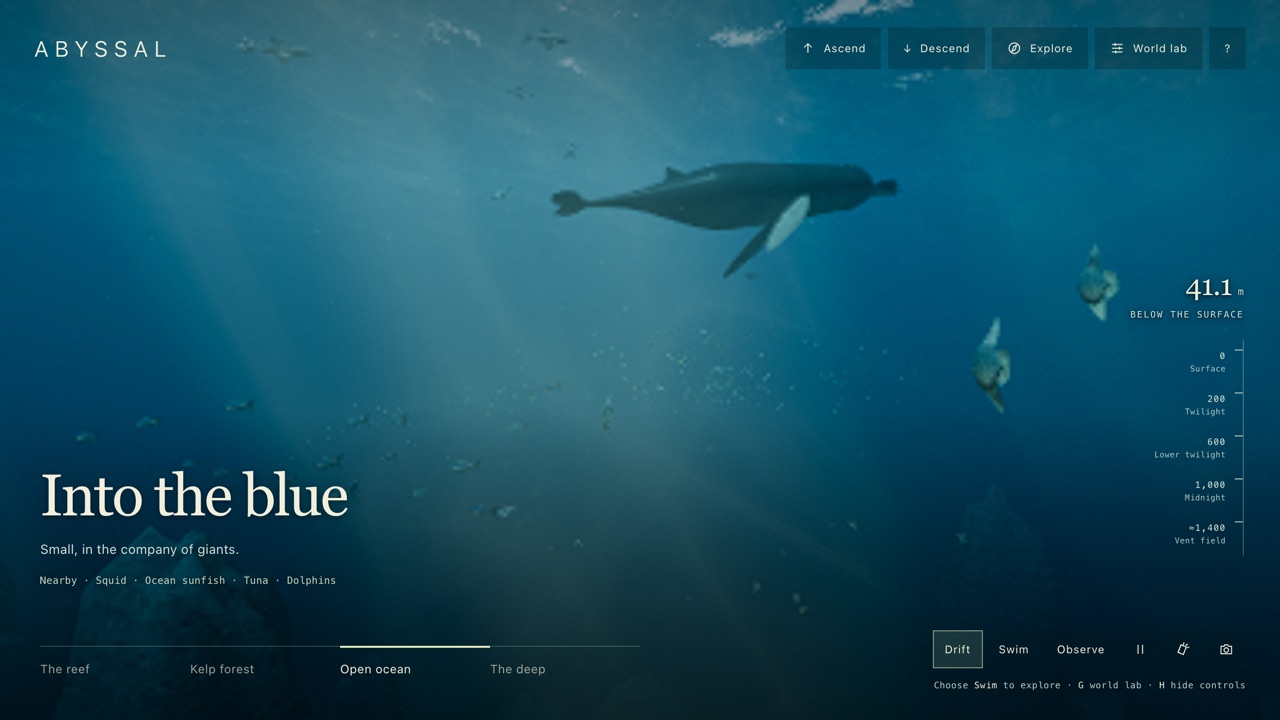
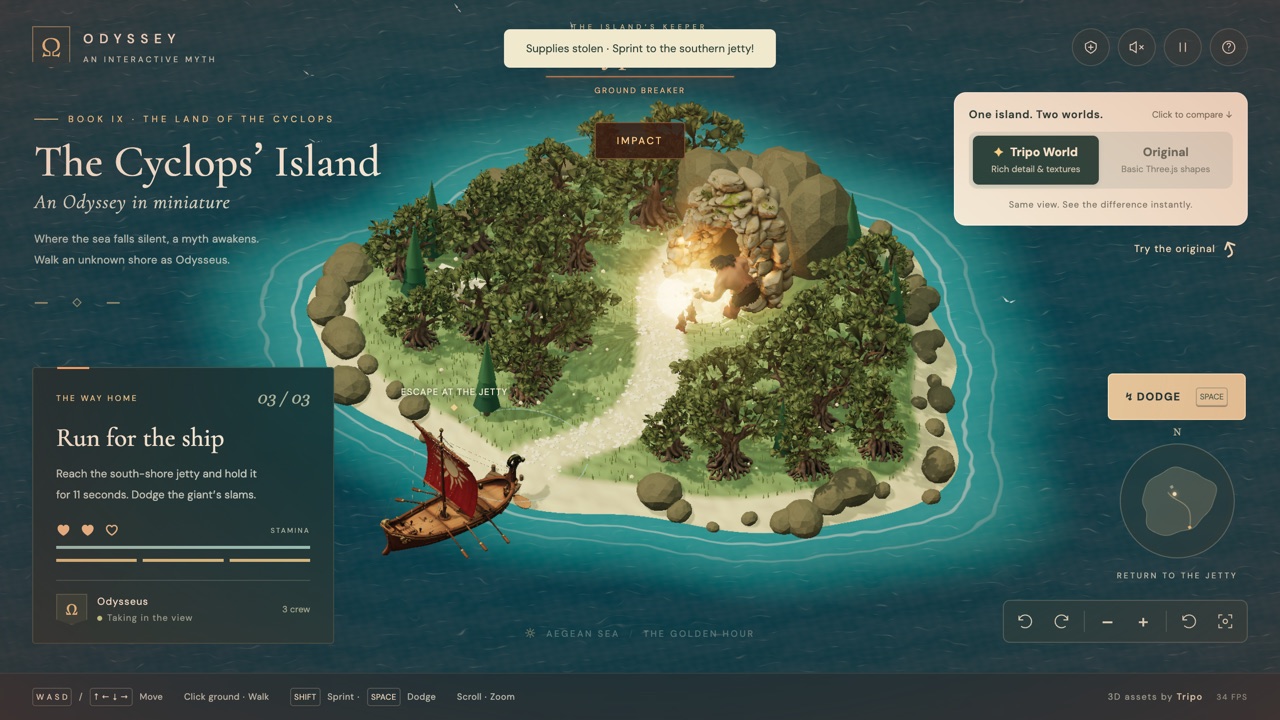
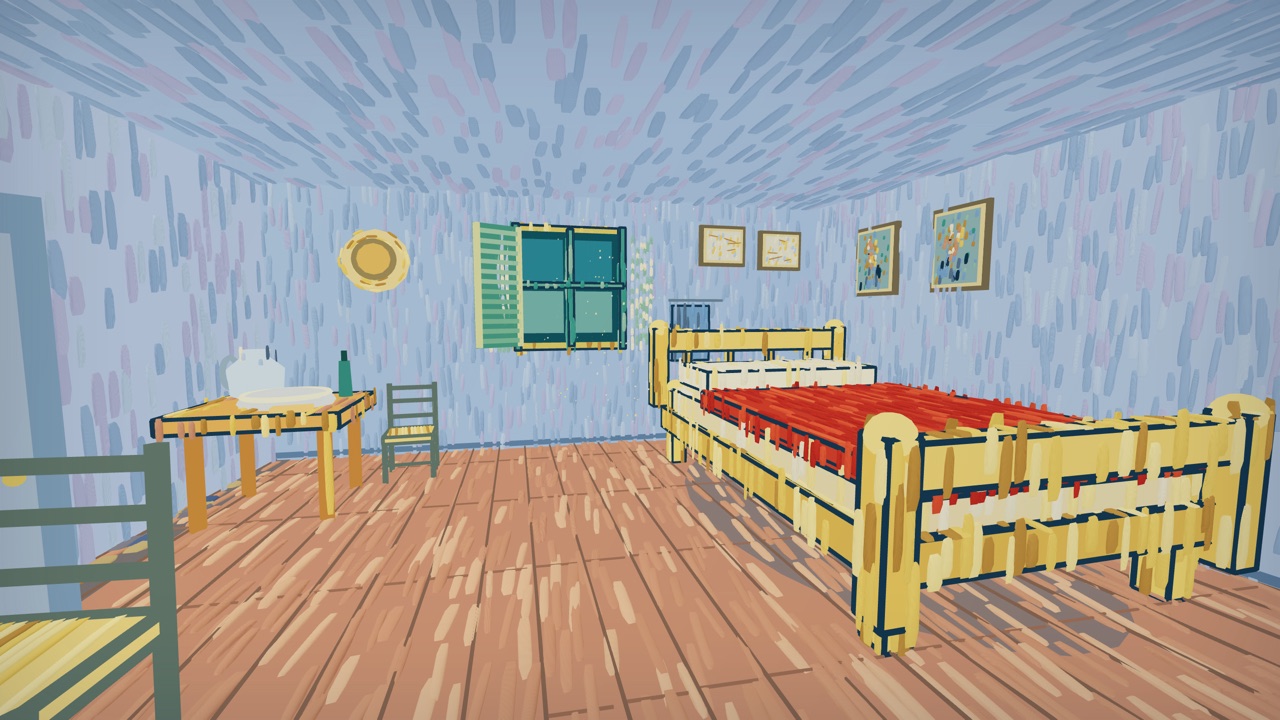
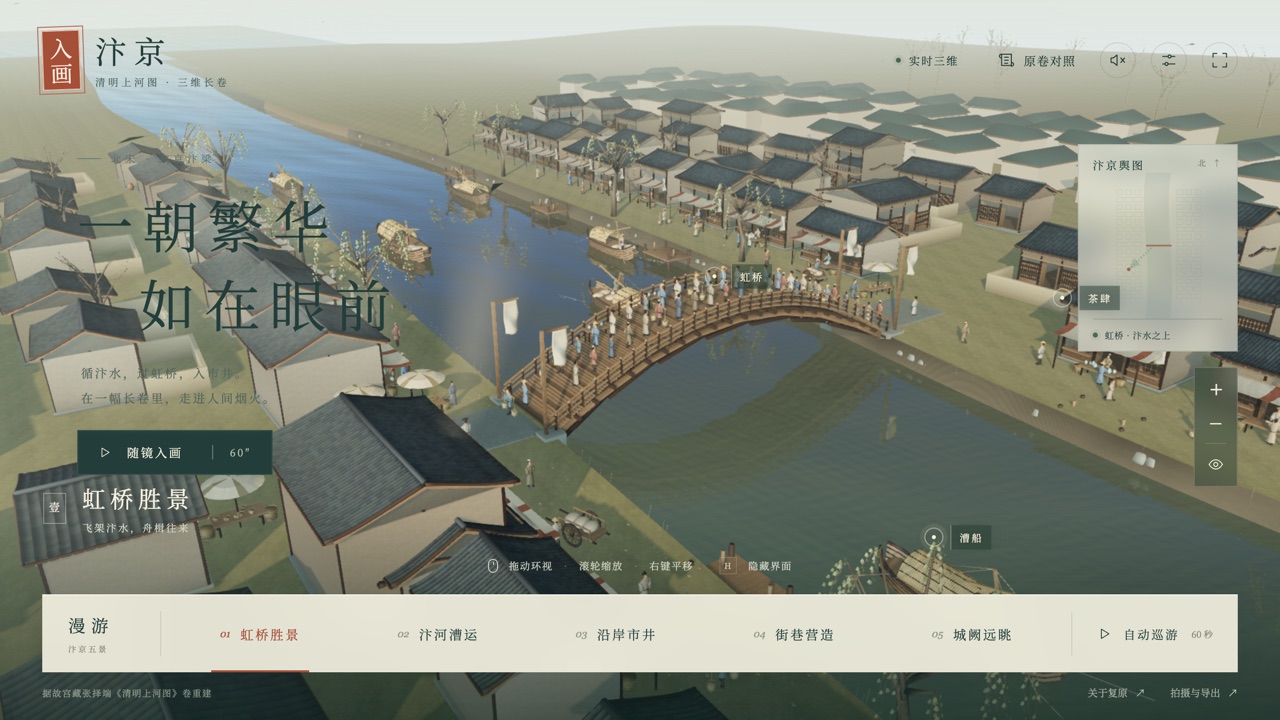
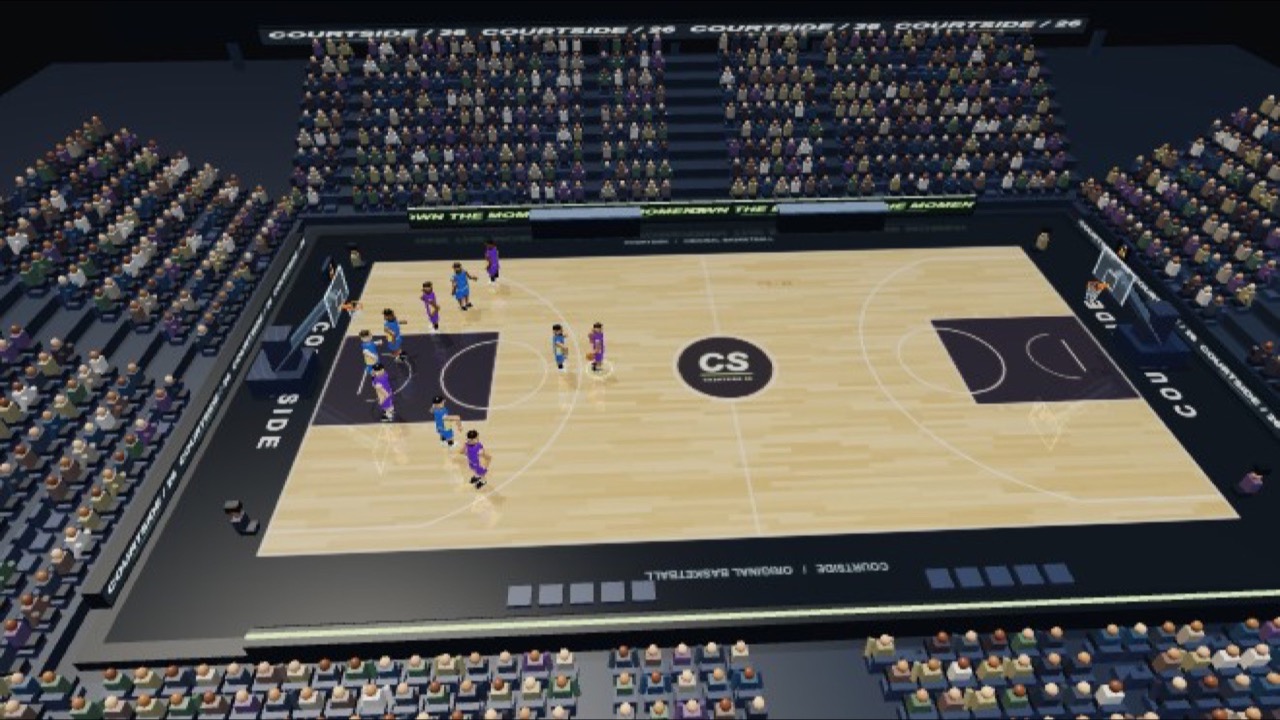
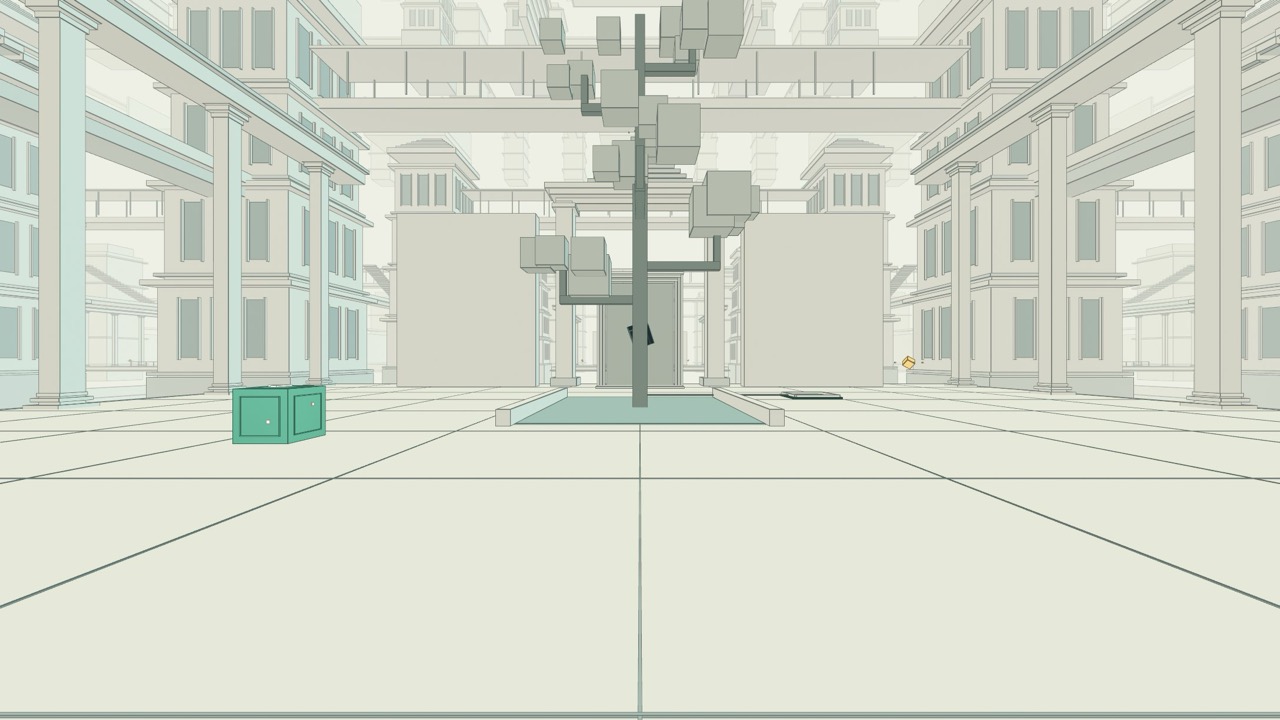
The same repository holds three other builds by the same run: Operation Tidewater (a voxel diorama with a tour), Chrono City (one Toronto block through five decades) and Pirate Ship at Sunset (a real-time cinematic). They are not games we tested, and are not listed here; the repository is at github.com/Nipale-ai/opus-5-5-overnight-builds. The repository has no licence file. We host the copy the same way we host other games with no stated licence: the original stays linked from every page, nothing is changed, and it comes down if the author asks.
How it was made and where it lives
Published on GitHub Pages from a public repository. The author publishes as Nipale-ai. Original: https://nipale-ai.github.io/opus-5-5-overnight-builds/fall-line/. The Play button above runs our own unmodified copy, so the game keeps working here if that page goes down — which on free hosting usually has nothing to do with the author. Nothing about the game itself is changed, and the original stays linked from every page.
If you like Fall Line — Freeride Mountain, try these
For a much smaller take on the same sport, Ski Cross is a short downhill sprint with an avalanche behind you, and SUNBREAK is an open-source low-poly downhill racer. For another game whose page credits Claude Opus 5.5, see everything tagged Made with Claude Opus 5.5.
Frequently asked questions
- Is it free, and do I need to install anything?
- It is free and runs in the browser; there is nothing to install or sign into. It needs WebGL2 and does best on a computer with a real graphics chip.
- Who made it, and with what?
- It is in the GitHub repository of the user Nipale-ai, whose README says Claude Opus 5.5 built it alone in Claude Code from one written brief and publishes that brief. We could not confirm how it was made; the repository shows one commit, and the README says there were 111.
- Can I play it on my phone?
- You can open it and watch the demo rider, but there are no touch controls, so you cannot ride. Use a computer with a keyboard.
- Does it work with a gamepad?
- The README says so, and a scripted fake controller's stick took over from the demo in our test. We did not try a real one.
- Does it save anything?
- Its README says personal bests for events are kept in your browser's local storage. Nothing is sent anywhere, and the page makes no requests after it has loaded.
- Why does it take a while to start?
- The whole mountain is generated in your browser when the page opens, from code alone, with no image or model files. On a busy machine we saw waits from a few seconds to over twenty.
- Is it a copy of Steep?
- Its brief asked for a recreation of that game's gameplay under a new name with none of its assets, and the game has its own name and look. We did not compare the two, and we have not called it a fan remake.
- Why does this page play a copy and not the original?
- Free hosting comes and goes, so every game here plays from a copy we store. The original address is linked as the original, and our copy matches the file there.
- Is Fall Line — Freeride Mountain free to play?
- Yes. Everything on Floating Arcade is free, with no account, ads or downloads.
- Can I embed this game on my own website?
- Yes — copy the snippet below. The embedded player links back here, which is how we ask to be credited.
Embed Fall Line — Freeride Mountain on your site
Paste this where you want the game to appear: